Scientific Consultation Council
NeuroTriad Scientific Consultation Council
A volunteer scientific advisory group supporting the ongoing development, research alignment, and ethical application of the NeuroTriad Model.
The Council brings together professionals with expertise in neuroscience, psychology, trauma-informed care, clinical practice, medicine, research methodology, and education to provide consultation on the model’s scientific foundation and applied use.
The NeuroTriad Scientific Consultation Council for Scientific Integrity and Responsible Translation
The NeuroTriad Scientific Consultation Council brings together clinicians, researchers, educators, physicians, and applied neuroscience leaders who share a commitment to advancing trauma-informed, neurobiologically grounded, and resilience-focused care.
The NeuroTriad Model was created to help close one of the most painful gaps in mental health and behavioral health: the distance between what we now understand about the brain, stress, trauma, neuroplasticity, and resilience—and what clinicians are able to access, apply, and sustain in real-world care.
The Council exists to help protect that bridge.
Through thoughtful consultation, interdisciplinary dialogue, and science-informed guidance, Council members support the continued evolution of the NeuroTriad Model as a clinically responsible, ethically grounded, and research-aligned framework. Their role is not simply to advise from a distance, but to help ensure that the model remains connected to the living realities of practice: the complexity of trauma, the intelligence of the nervous system, the necessity of cultural humility, and the profound human capacity for healing, adaptation, and growth.
Together, we are advancing a model of care that honors both scientific rigor and human experience. A model that recognizes trauma responses as adaptations, not failures. A model that supports clinicians in translating neuroscience into practical, compassionate, and effective tools. A model that invites clients back into safety, belonging, agency, and choice.
Consultation areas
The Scientific Consultation Council includes professionals whose expertise contributes to thoughtful consultation across a variety of ares, including:

Offer consultations on ethical application, clinical sensitivity, and context-aware implementation.
Provides input on research alignment and responsible translation of neuroscience concepts.

Supports clarity in training design, educational framing, and learner-facing communication.

Contributes perspectives that strengthens reflection across research, practice, and professional dialogue.
Council Members
The individuals listed below serve in a volunteer consultative capacity. Each member brings a distinct area of expertise that informs the continued scientific, educational, and ethical development of the NeuroTriad Model, including applied neuroscience, trauma-informed care, resilience, neuroplasticity, Brain Partnership, and NeuroTriad research.

Monica
Söderberg, LCSW
LSCSW, DCSW, LCMFT, BCETS, Diplomate, American Academy of Experts in Traumatic Stress
Monica Söderberg, LSCSW, DCSW, LCMFT, BCETS, Diplomate, American Academy of Experts in Traumatic Stress, is a trauma specialist and self-regulation therapist in private practice. She is the Director of Education at Acumen Institute and a co-owner and presenter in the Acumen Institute Treatment Program in Lawrence, Kansas. Monica is an EMDR Certified Therapist, EMDR Approved Consultant, and Facilitator for the EMDR Institute. Ms. Soderberg is also certified in Sensorimotor Psychotherapy and has advanced training in neuroscience-informed trauma treatment, nervous system regulation, interoception, and resilience-building aligned with the NeuroTriad Model.
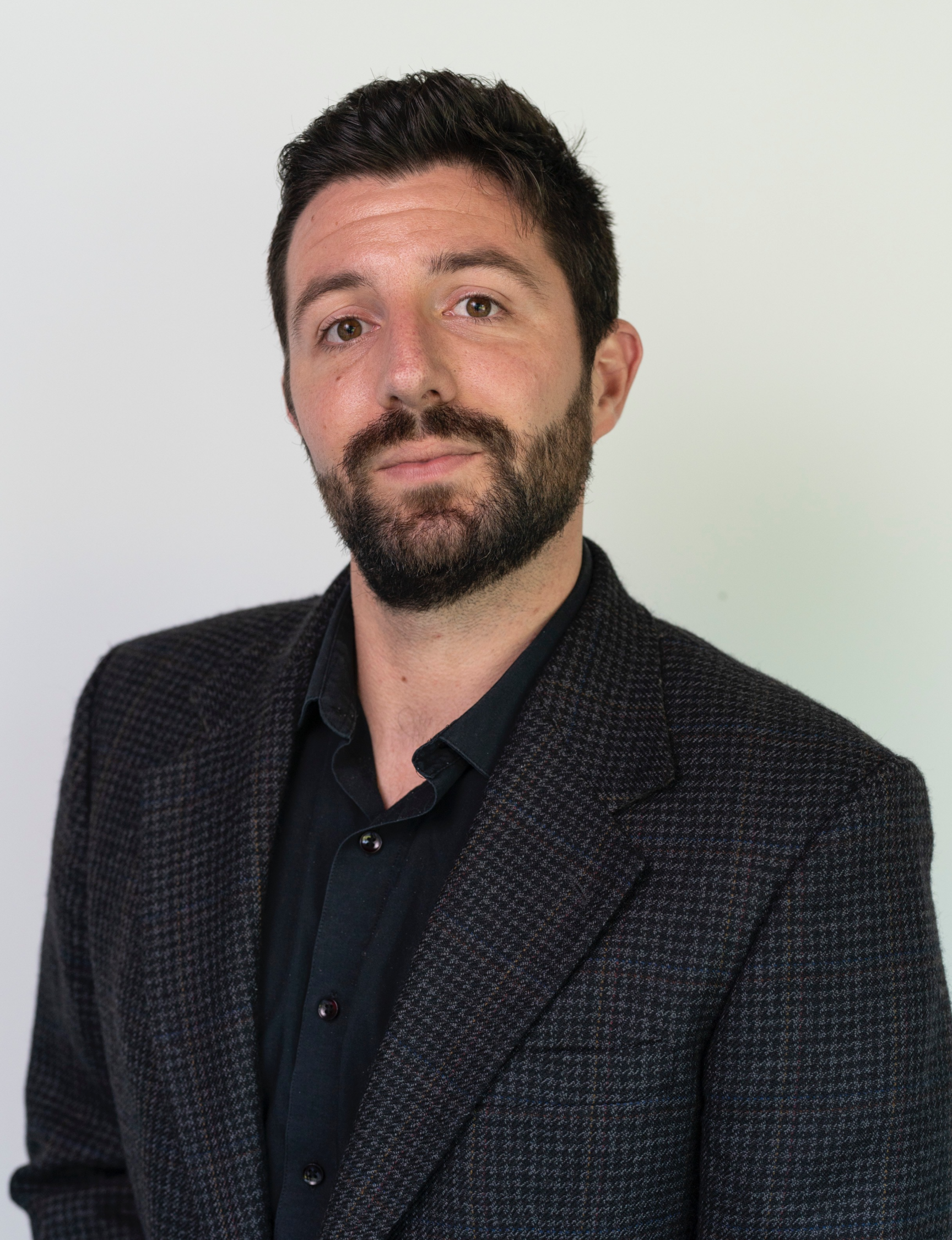
Elliott Jardin, Ph.D.
Associate Professor, Department of Social and Behavioral Sciences, Director of the Brain Health and Cognitive Aging Lab
Dr. Elliott Jardin holds a Ph.D. in Adult Development and Aging. He is an Associate Professor in the Department of Social and Behavioral Sciences and the Center for Neuroscience and Behavior at Miami University. His research leverages electrophysiological methods to investigate cognitive aging, cognitive health, and individual differences in cognitive and affective neuroscience. His published work spans topics from visual attention and memory consolidation to the neuro-biological aspects of emotional processing. Dr. Jardin is dedicated to advancing our understanding of how the brain adapts across the lifespan and translates these complex findings for academic and clinical progress.

John Whipple, MD
Psychiatrist, Medical Director, Senior Psychiatric Consultant, HIMS Evaluator
John Whipple, MD, serves as Medical Director of Acumen Institute and Senior Psychiatric Consultant to Acumen Assessments. He specializes in intensive day treatment, professional coaching, forensic fitness-for-duty evaluations, and FAA-standardized HIMS evaluations for pilots seeking medical certification. Dr. Whipple completed his psychiatric residency at the Karl Menninger School of Psychiatry and his psychoanalytic training at the Greater Kansas City Psychoanalytic Institute. He is also an ambassador for the Dr. Lorna Breen Heroes’ Foundation, advocating for healthcare worker well-being, reduced barriers to mental health care, and workplace-based solutions that support professional resilience.

Michelle “Shelly” Dalton, Ph.D.
Assistant Professor, Saint Louis University School of Medicine, Director, Social Determinants and Minority Stress Lab
Michelle “Shelly” Dalton, Ph.D., works at the intersections of identity, social determinants of health, relational systems, and barriers to care, with a particular focus on interventions that reduce minority stress and support LGBTQIA+ and transgender and gender nonconforming communities. Dr. Dalton brings expertise in medical family therapy, integrated behavioral health, health psychology, attachment processes within couples and families, HIV, alcohol use, and culturally responsive care. Dr. Dalton contributes vital perspective on minority stress, family systems, integrated care, and the social contexts that shape nervous system health, resilience, and access to healing.
A Council Grounded in Science, Care, and Responsible Translation
The NeuroTriad Model integrates contemporary neuroscience with clinical application to support sustainable healing, adaptive functioning, and long-term resilience. It is rooted in trauma-informed care, neurobiologically based intervention, and resilience-focused solutions.
The Scientific Consultation Council helps support this mission by offering perspective in areas such as the following:
Scientific and Conceptual Clarity
Council members offer input on scientific framing, conceptual precision, and the responsible use of neuroscience language.
Research Direction and Evidence Alignment
Council members provide perspective on research priorities, peer-reviewed literature, and evidence-informed development.
Ethical Translation into Practice
Council members help support the careful translation of scientific concepts into educational and clinical training materials.
Feedback on Emerging Constructs and Tools
Council members offer input on emerging NeuroTriad constructs, measurement tools, protocols, and educational resources.
Interdisciplinary Perspective
Council members contribute expertise from psychology, neuroscience, medicine, education, public health, implementation science, or related fields.
Responsible Implementation
Council members provide consultation regarding ethical, trauma-informed, and clinically responsible applications across professional contexts.
About the NeuroTriad Model
The NeuroTriad Model is a trauma-informed, neurobiologically based, resilience-focused framework for mental health and wellness. It is grounded in Brain Partnership: the practice of working with the brain’s survival and learning systems rather than against them.
The model is designed to complement existing therapeutic approaches by helping clinicians understand how stress and trauma shape prediction, attention, memory, autonomic regulation, somatosensory experience, emotion, and self-experience. Through this lens, symptoms are understood as protective adaptations shaped by prior learning, and intervention focuses on creating the conditions for safety, flexibility, agency, and adaptive neuroplastic change.
Trauma-Informed
Recognizes the effects of trauma across brain development and nervous system function while prioritizing safety, collaboration, and readiness.
Neurobiologically Based
Uses contemporary neuroscience to understand mechanisms of stress, trauma, recovery, learning, regulation, and change.
Resilience-Focused
Builds pathways for adaptive functioning, agency, posttraumatic growth, and sustainable mental wellness.
A Commitment to Responsible Applied Neuroscience
The NeuroTriad Model is grounded in a commitment to responsible translation: bringing the science of stress, trauma, neuroplasticity, regulation, resilience, and Brain Partnership into clinical education and application in ways that practitioners can understand, apply, and sustain.
The Scientific Consultation Council helps hold that commitment by creating space for interdisciplinary dialogue, ongoing refinement, and thoughtful engagement with the evolving science of healing and human change.
- This work asks us to hold both rigor and humanity.
- The science matters. So does the person sitting in front of us.
- That is the bridge NeuroTriad was built to strengthen.
Continue exploring the science and training behind NeuroTriad.
Disclaimer: Council members serve in a volunteer consultative capacity. The Scientific Consultation Council serves in a volunteer consultative role that supports transparency, scientific integrity, and responsible communication about the NeuroTriad Model. Council participation is intended to provide thoughtful interdisciplinary perspective as the model continues to evolve, while maintaining clear boundaries around authority, oversight, and organizational responsibility. Their listing on this page does not establish employment, compensation, contractor status, fiduciary responsibility, agency relationship, governance authority, clinical supervision, certification authority, legal oversight, or endorsement of all NeuroTriad programs, products, services, publications, trainings, or organizational decisions.