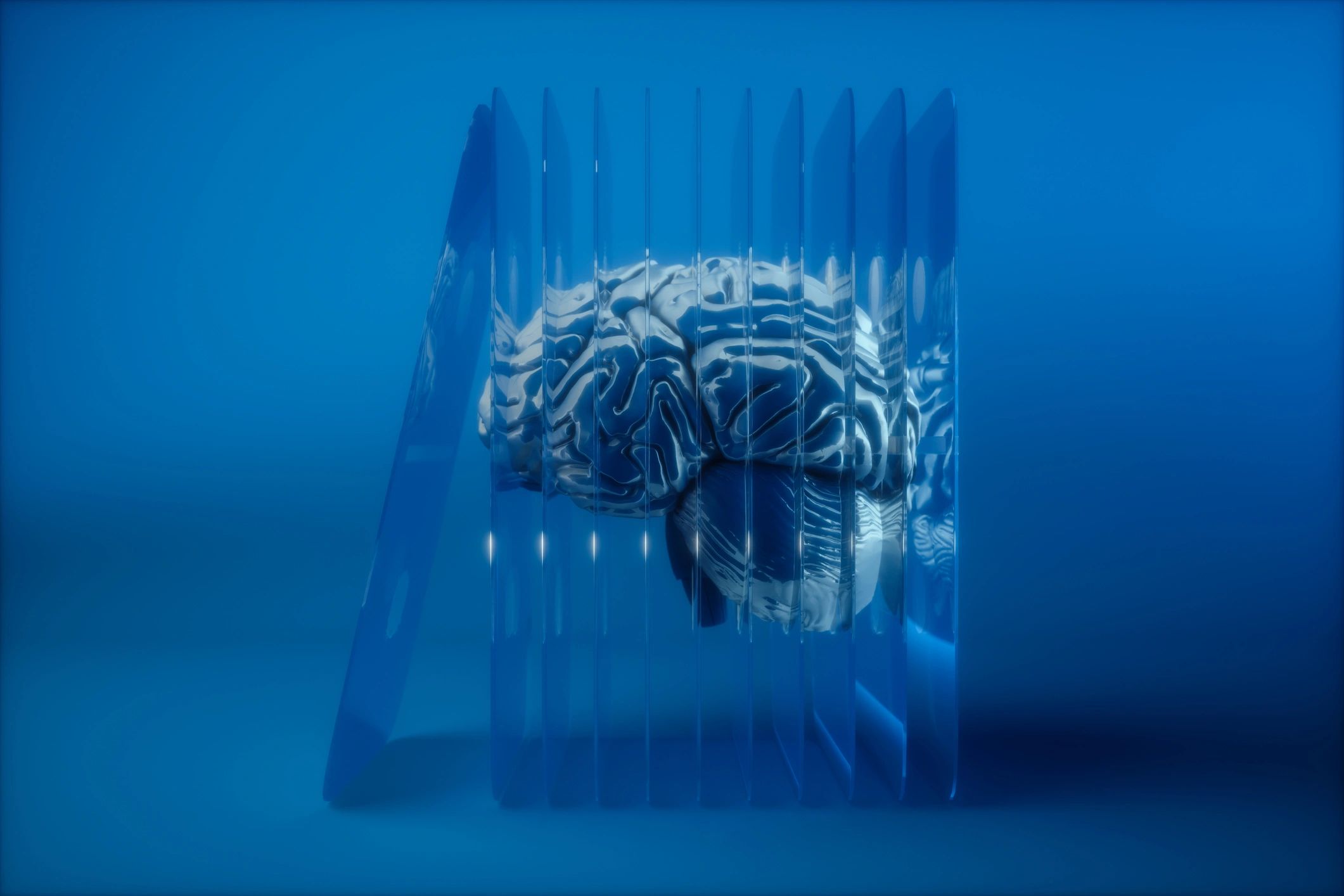
A brain-aligned framework
The NeuroTriad Model is grounded in contemporary neuroscience and designed to help clinicians translate complex brain-based concepts into practical, ethical, trauma-informed care. Rather than treating symptoms in isolation, the model examines how stress, trauma, attachment, adaptive survival responses, and learning processes interact across the nervous system. This scientific orientation supports more precise case conceptualization, clearer intervention planning, and more effective support for regulation and resilience.
Core Domains
What the science examines
Stress physiology
How acute and chronic stress shape arousal, perception, behavior, and the body’s readiness for protection or connection.
Trauma response
How overwhelming experiences alter nervous system patterning, threat detection, and the capacity for safety, flexibility, and integration.
Neuroplasticity
How repeated experiences, intentional practice, and relational safety support new learning and adaptive change in the brain.
Memory reconsolidation
How previously encoded emotional learning can be updated through corrective experience, regulation, and clinically attuned intervention.
Clinical Translation
From theory to treatment
Science matters most when it improves clinical decision-making. The NeuroTriad Model helps professionals organize neuroscience into a usable framework for assessment, intervention, and therapeutic pacing.
Regulation first
Interventions are informed by the client’s current nervous system state, capacity, and readiness for change.
Structured integration
Clinicians learn to connect psychoeducation, somatic awareness, emotional processing, and adaptive learning in a coherent treatment approach.
Why it matters
Science that supports clinicians