About NeuroTriad
About Us
The NeuroTriad Model is a comprehensive applied neuroscience framework for trauma-informed healing, resilience development, and Brain Partnership. Founded by Dr. Kate Truitt and developed in partnership with Truitt Institute, the model helps clinicians translate the science of stress, trauma, regulation, neuroplasticity, and resilience into practical language, tools, and interventions for real-world care.

Founder
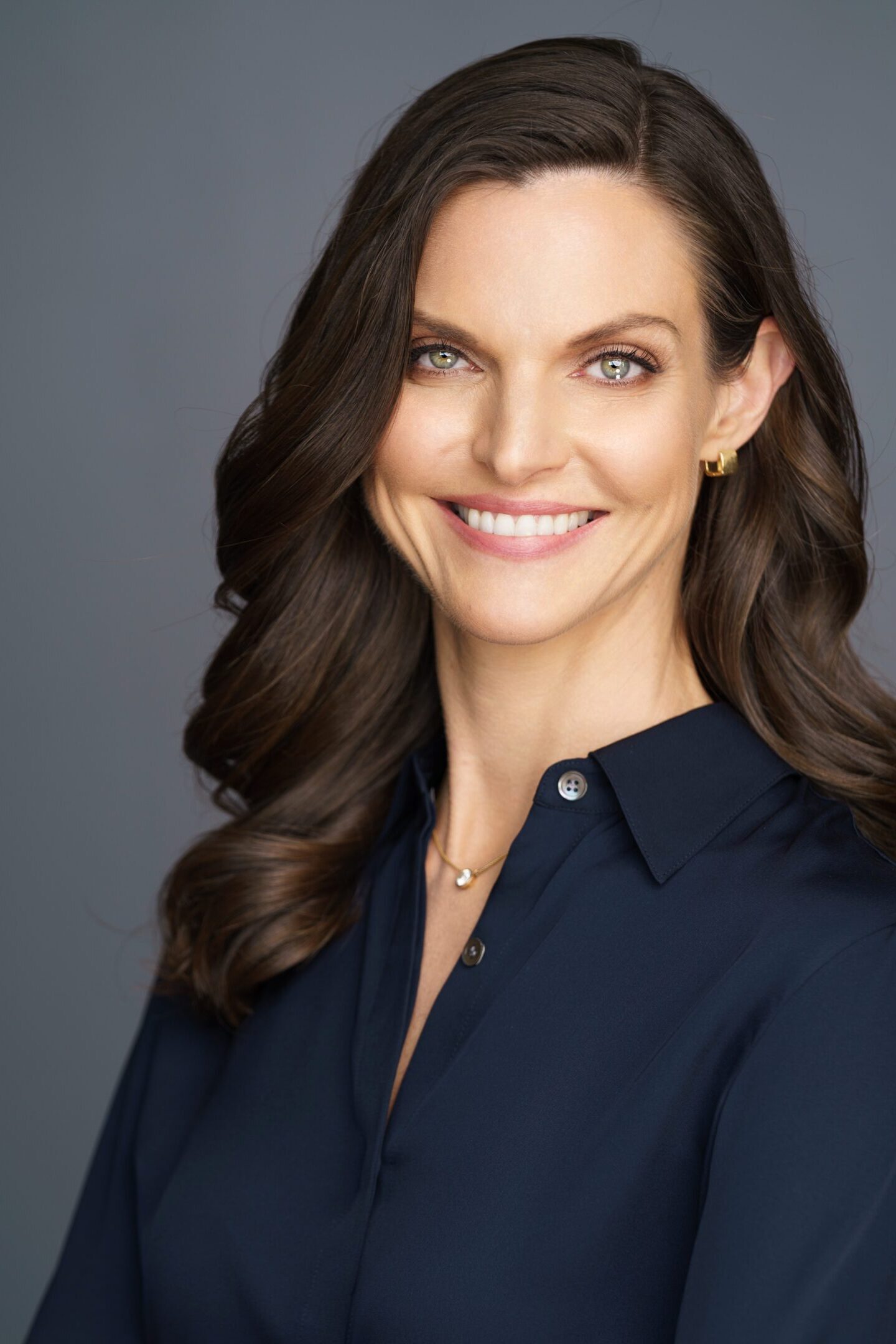
Dr. Kate Truitt
Dr. Kate Truitt is a clinical psychologist, applied neuroscientist, and internationally recognized educator whose work helps clinicians translate neuroscience into meaningful healing. As founder of the NeuroTriad Model, she has developed a framework that brings together trauma-informed care, brain-based insight, and practical tools for regulation, resilience, and recovery.
She is the founder of Truitt Institute, CEO of the Amy Research Foundation, and CEO of the Trauma Counseling Center of Los Angeles. Across these organizations, Dr. Truitt leads training, research, and clinical innovation focused on stress, trauma, neuroplasticity, and the application of neuroscience in real-world care settings.
An international bestselling author and trusted voice in the field, Dr. Truitt has helped thousands of professionals deepen their understanding of the brain while strengthening their clinical confidence. Her teaching is known for making complex science accessible, actionable, and immediately relevant to healing professionals committed to ethical, effective care.
Our Team
Truitt Institute Team
Meet the professionals who help bring Truitt Institute’s mission to life through education, research, and trauma-informed innovation.
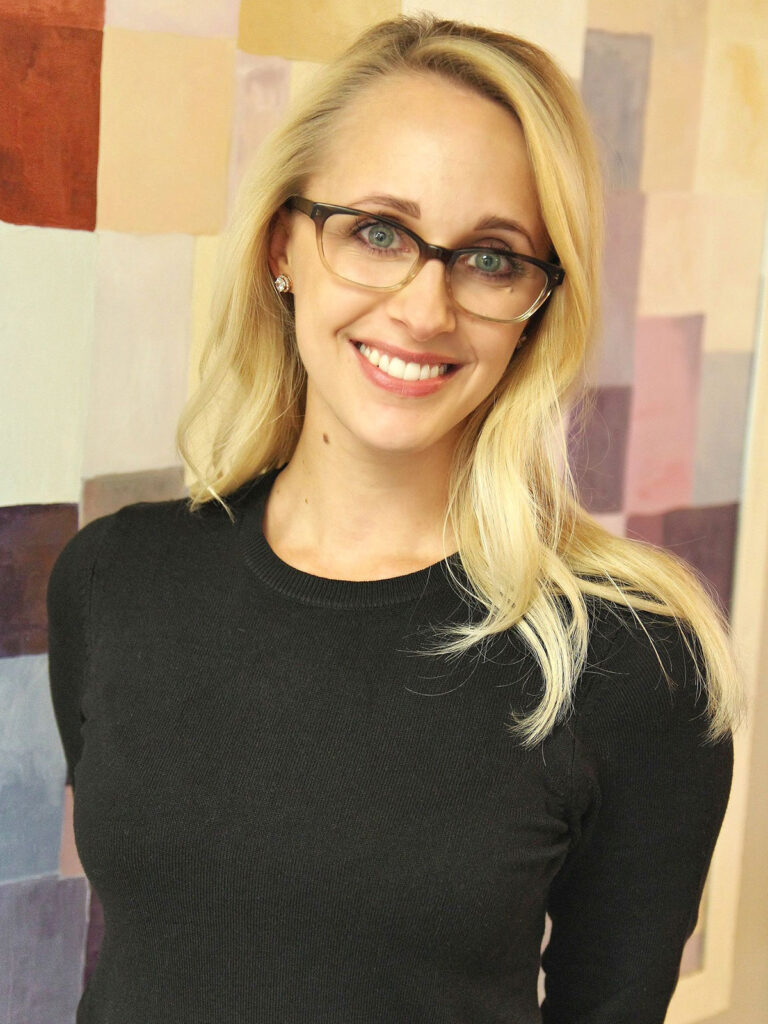
Rebecca Turner, LMFT, BCN
Training Director
As the Training Director for the Truitt Institute, Rebecca helps clinicians integrate applied neuroscience, trauma-informed care, Brain Partnership, and regulation-focused tools into meaningful clinical practice. With expertise in psychophysiology, neurofeedback, anxiety, chronic illness, pain, and developmental trauma, Rebecca brings a collaborative and deeply practical teaching style to the Institute’s professional training programs.
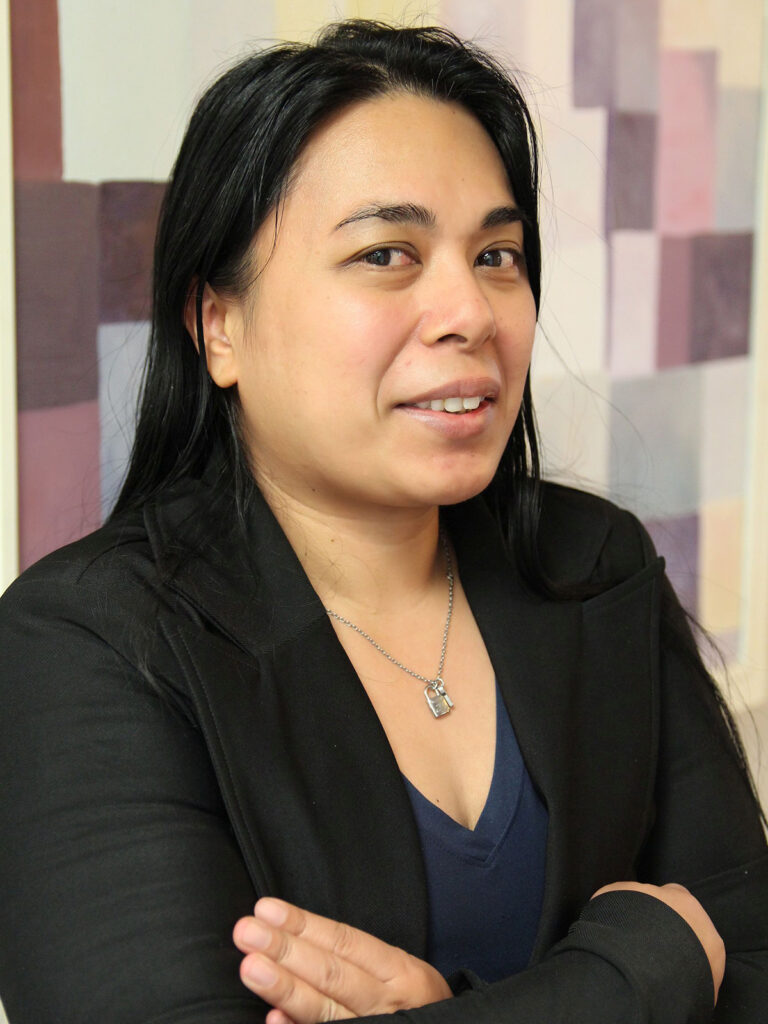
Lorelei Batoon
Office Manager
Lorelei Batoon’s work as Office Manager is essential to the warm, professional and inviting service experience that our clients encounter every day. Lorelei has been a part of The Truitt Institute family since our opening, and she has been instrumental in growing and continuously improving our service and operations.
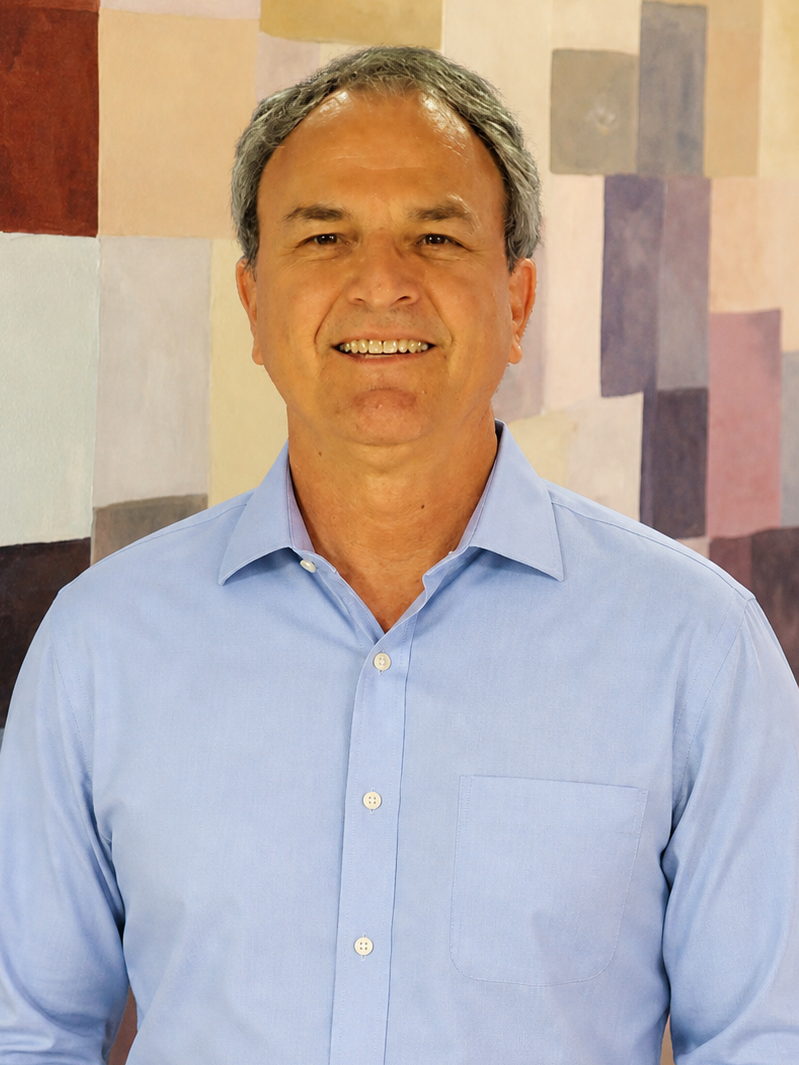
Steve Hamilton, Ph.D., MDiv., LtCol (Ret.)
Head of Military & First Responder Training
Dr. Hamilton brings to The Truitt Institute a wealth of experience and specialized knowledge in performance and leadership. Previously, he was a staff psychologist at Wright Patterson AFB mental health clinic and a faculty member on their APA-accredited psychology internship program.
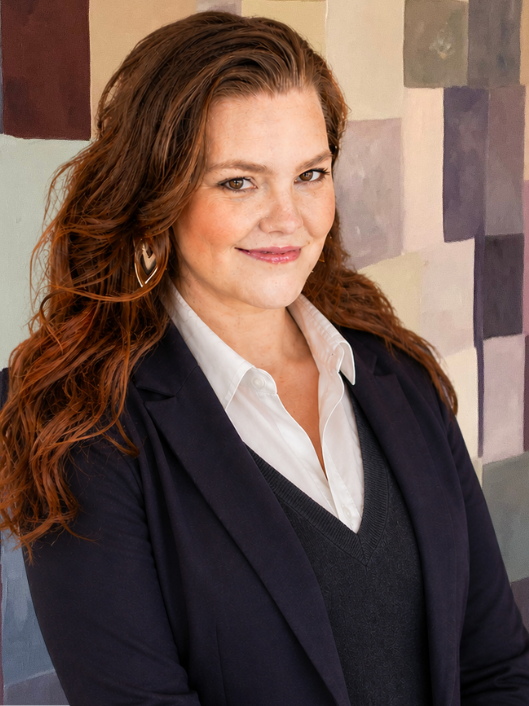
McKenna Walsh, Ph.D., MFT
Head of Research & Certification Consultant
Dr. McKenna Walsh is the Head of Research for the Truitt Institute, where she advances the Institute’s research program at the intersection of chronic stress, trauma, neuroscience, suicidality, behavioral health, and public well-being. She holds a Ph.D. in Medical Family Therapy from Saint Louis University’s Department of Family and Community Medicine and an M.A. in Marriage and Family Therapy from Syracuse University, specializing in Trauma Studies.
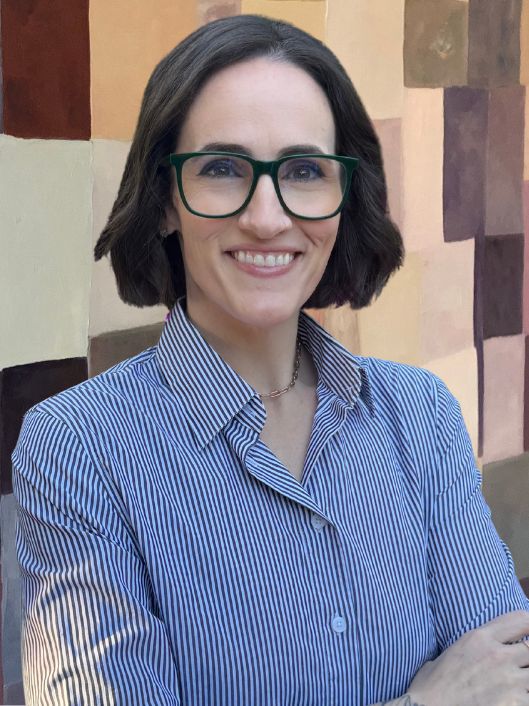
Julia Myers
Research Fellow
Julia Myers is a Research Fellow with the Truitt Institute, supporting applied psychology research focused on trauma-informed care, resilience, identity, religious trauma, sexuality, and psychological safety.
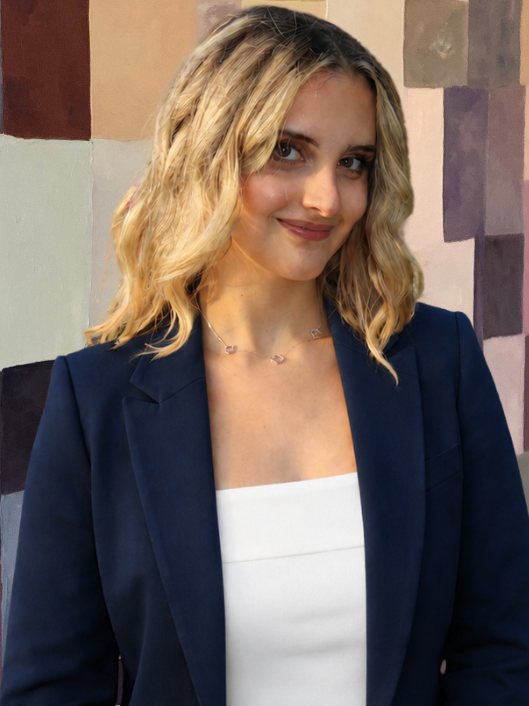
Mireille Karadanaian
Research Fellow
Mireille Karadanaian is a Research Fellow with the Truitt Institute, supporting research at the intersection of psychobiology, neurodevelopment, social cognitive neuroscience, and applied clinical science.
What Guides Our Work
Every part of the NeuroTriad Model is designed to be clinically grounded, ethically delivered, and immediately useful for healing professionals seeking a structured neuroscience-forward framework.
Foundation
Trauma-informed by design
The model centers safety, regulation, and attuned clinical application so professionals can integrate neuroscience without losing the relational depth essential to mental health care and r.
- Stress and trauma literacy
- Regulation-focused tools
- Ethical clinical application
Training
Structured for clinicians
From foundational learning to advanced certification, NeuroTriad offers a clear pathway for mental health and allied healthcare professionals, including clinicians, behavioral health providers, addiction treatment professionals, psychiatric and medical team members, occupational therapists, school and community-based support professionals, and other qualified practitioners working within their scope.
- Two-day clinical training
- Consultation and case application
- Continuing education opportunities
Research
Grounded in evidence
Our work is informed by contemporary neuroscience, psychophysiology, and trauma research that clarifies how stress reshapes neural systems and how experience-dependent change supports recovery, resilience, and adaptive functioning.
- Neuroplasticity and learning-dependent change
- Affective neuroscience and regulation
- Research-informed clinical translation

Community
Built for lasting growth
Certification recognizes advanced training, consultation, assessment, and skills demonstration while connecting practitioners to a growing community committed to neuroscience-informed, trauma-informed care.